Start from common practice, not a blank page
A bank of standard processes for the common business functions, aligned to the APQC Process Classification Framework and modelled in BPMN 2.0. Adapted to the client rather than reinvented on every programme.
The short version.
A standard to start from
Most businesses in a sector need roughly the same thing. Beginning from a standard process and the client's real variations is faster than a blank page, and it makes the variations visible as decisions rather than as accidents.
Designed at the level the work happens
Processes are modelled at L1 to L3, which is the level at which work can be measured rather than absorbed, and at which a platform can actually be configured against the design.
Ready to configure against
Each process maps to Dynamics 365 functional areas, so the design is something the build team can work from instead of something they have to interpret.
Where this earns its place.
- Programmes about to start design, where the alternative is a workshop series that reinvents standard practice.
- Operations adopting Dynamics 365 who want standard first, with variation only where the business case justifies it.
- Businesses whose process documentation has drifted from what is actually done.

Into your estate, not ours.
- Applied inside the engagement, adapted to the operation rather than delivered as a document set.
- Standards used: APQC Process Classification Framework, BPMN 2.0, maturity assessed against CMMI.
All of it.
The adapted process set and the models behind it, in a form your own team can maintain.
Accelerators, not software to rent. They come with the engagement rather than as a separate licence.
The other accelerators.
AI Exposure Index
Scores how much of a job role AI can accelerate or replace, rolled up across every role. A business case for AI investment, with a number on it.
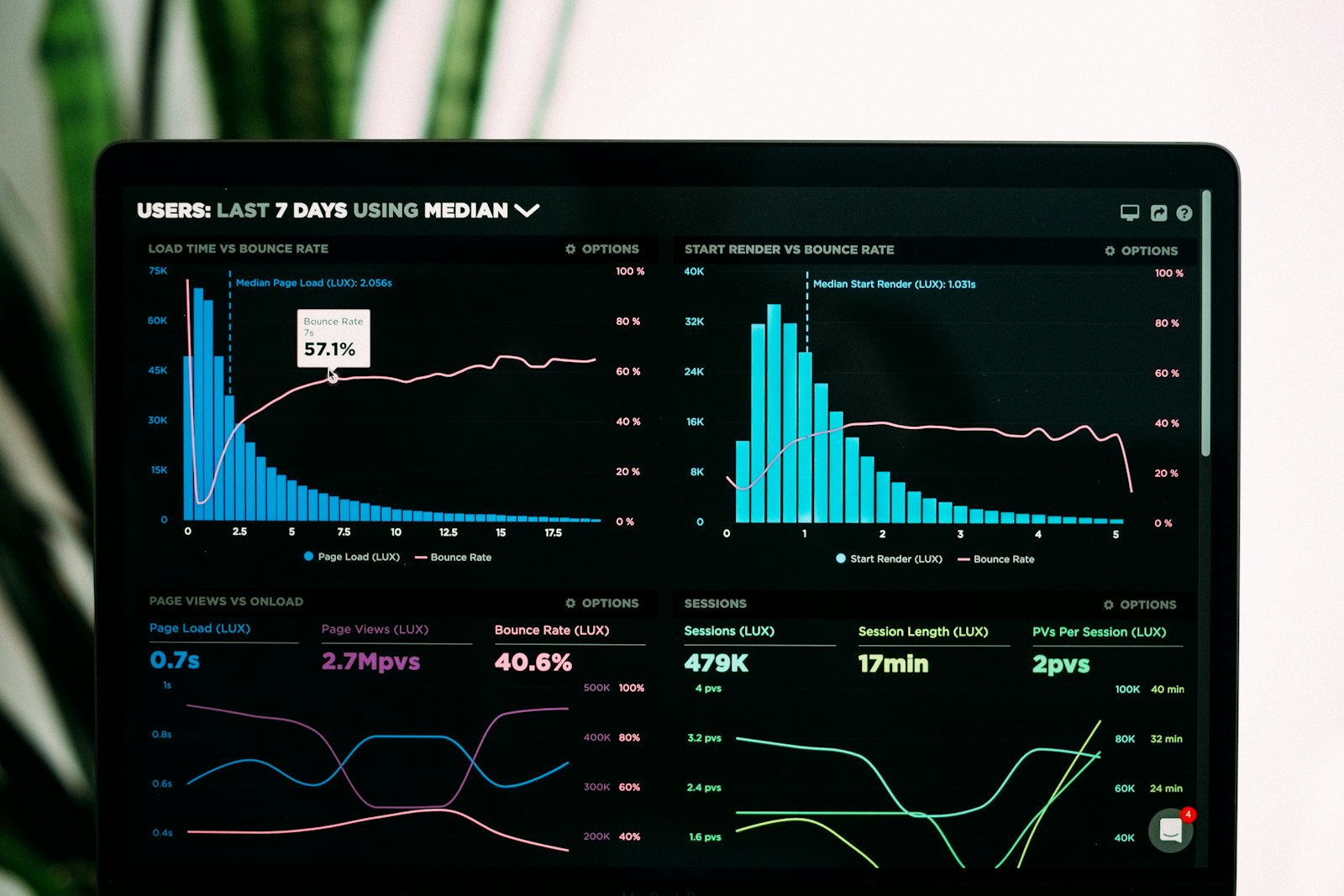
D365 Usability Analytics
Click path analysis for the ERP. Records how long each process step really takes, in the client's own tenant, and shows where users are struggling.
ServiceOps
Field service for utility networks, installed on the client's own tenant and managed by Ionyze. Built for the work engineers actually do on site.